

When it comes to sustainable travel, the conversation tends to be about the environmental impact of flying. But, when you also take into account social impact, it’s not only about the journey. It’s about the choices you make once you reach your destination. Have you heard of the term “tourism leakage”?
Tourism leakage is when your money doesn’t stay in the destination, but leaks away from the local community and benefits large corporation owners. For instance, staying at international chain hotels or all-inclusive resorts, or opting for large tour services. Or when you’re eating at chain restaurants that serve imported, rather than local, food.
“Tourism can empower local people and be a catalyst for positive change. The trouble comes when tourism isn’t fair and inclusive and profit isn’t evenly and locally distributed in order to directly benefit local communities,” explains Rachel Mills from flight-free travel platform Byway.
Not-so inclusive hotels
Consider the all-inclusive resorts that swallows holidaymakers up for a week. It also swallows up any opportunities for members of the local community to build their own businesses offering bars, restaurants, and experiences to tourists. Instead, they are forced to accept often precarious jobs for low-pay offered by the hotel. [1]
When holidaymakers eat in the all-inclusive restaurant, how many ask what food is local? How many more unquestionably order that ‘prime USDA steak’ wherever they are in the world? Not only has this probably been flown-in, it stifles opportunities for local fishing and farming – and doesn’t allow space for the creation of local food economies.
And the leakage? Well, the profits are leaking to the foreign, industrial food companies. They’re also leaking to the shareholders of the hotel chain, and possibly sitting in some offshore account.
“Tourism leakage” amounts to an estimated 80% of all money spent by tourists in the Caribbean region, reports the UN. [2] And if you ever travel to the Caribbean you can see the impact this has (if you’re brave enough to step outside of the resort, given the often repeated warnings that you’re doing so at your own risk).

Sustainable travel: Supporting local and independents
So, what’s the answer you cry? Near-exasperated because You. Just. Want. To. Book. A. Holiday. Guilt-free. Please.
Well, if you’re after a shining examples, you could look closer to home. There are some brilliant options of independently-owned coastal and countryside stays in the UK. Some, go above and beyond when it comes to sustainability, too.
“Are they using green energy? Have they ditched single-use plastic? Are they Green Key-certified? If the answers to any of these questions is yes, these are all good indicators,” advises Mills.
The Sanctuary Cornwall source organic ingredients for everything from food to bedding. Owner Karen Wells-West says: “I’m constantly agonising over the recyclability, air miles, environmental impact of everything we do or buy. I upcycle, sew, design, print, make, grow, preserve, bake – all to make a stay sustainable, low impact, and individual. We offer little extras such as handmade soap, homemade cake, and breakfast fruit picked from outside the door, all to try to make our guests feel as welcome as possible.”
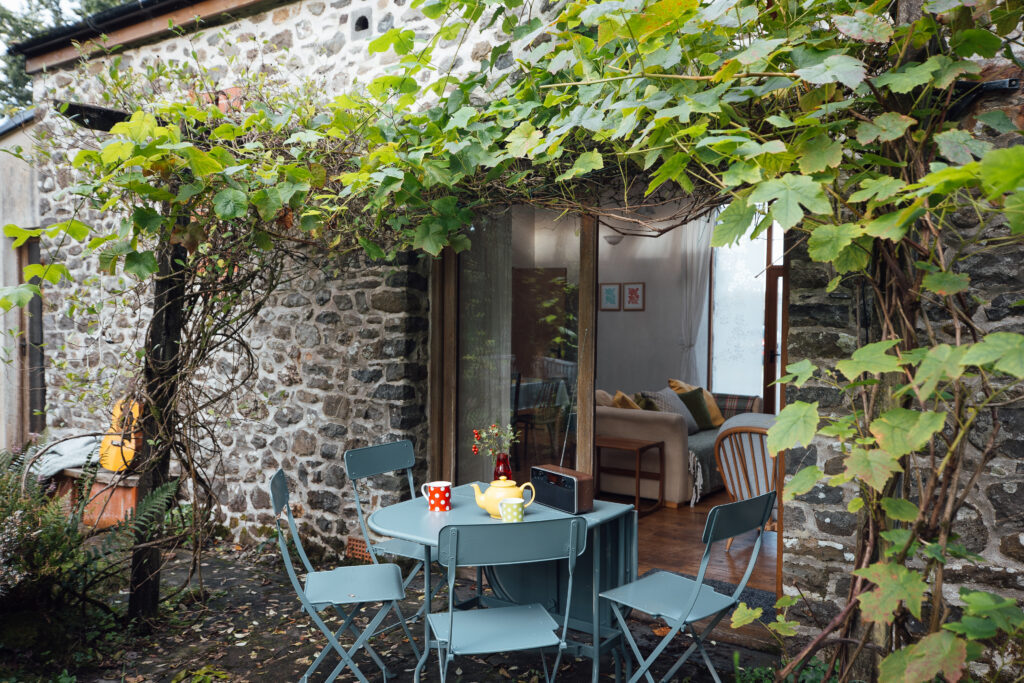
Under Starry Skies, based in the heart of Wales’ first Dark Sky Reserve, offers discounts to guests who choose to travel by bike, train or electric vehicle. They even offer to collect guests from the local train station, so that those who don’t have access to a car can still enjoy a rural holiday.
As owner of Ty Cwch, Nigel Humphrey, explains: “We need our guests and enjoy getting to know them. We know the area and want to help them enjoy their stay at our beachside retreat… where the beach happens to have resident seals.”
More generally, staying in local, independently-owned accommodation increases the chance that tourism spend will be spread to the local community, at local pubs, shops or even castles.
In my personal experience, staying at these places enhances my trips, too. I find that local, independently-owned hotels are often connected to the local, independently-owned restaurants, practically guaranteeing a great meal made with local and seasonal produce. These restaurants tend to be staffed by people who know the best local, independently-owned bars, where I’ve propped myself up on countless occasions and learned all about the interesting places to visit that you won’t find featured in mainstream ‘Top 10′ recommended lists.
Sustainable travel: Live life on the edge and travel in ‘edge’ season
Naturally, the opportunity for adventure can be greater if you’re not restricted to travelling during the school holidays. The months April, May, June, September and October are known as ‘Edge Season’ in Europe. Travelling at these times is an easy way to have a cheaper and more relaxed trip – as well as a positive social and economic impact on your destination(s) of choice.
It makes a lot of sense when you think about it – local residents benefit from alleviated pressure during peak season. Visitors spending money in traditionally quieter periods means it’s not quite ‘boom and bust’. Plus, natural and cultural assets (tourist attractions) are less overwhelmed if travel is spread out.
Who wouldn’t like to travel when there’s fewer crowds?
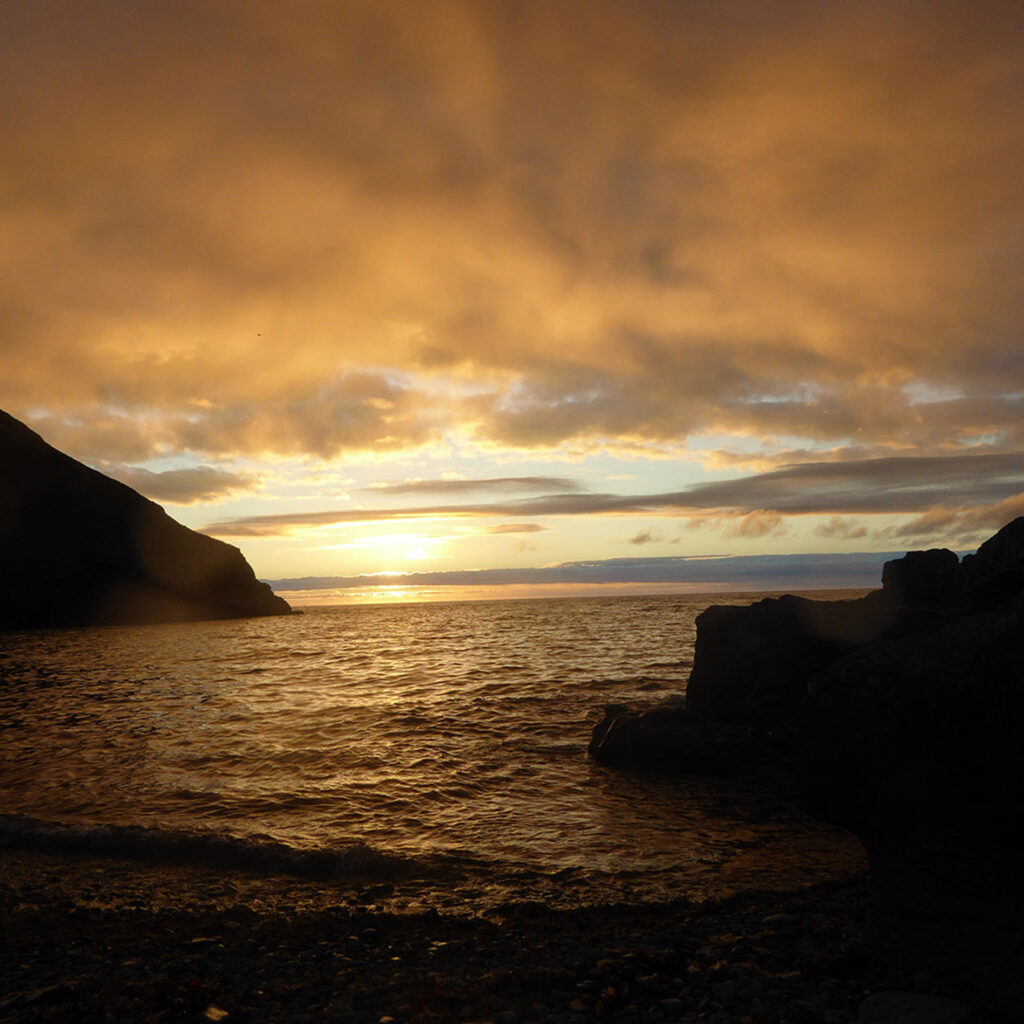
Rachel Mills adds: “Also, if you’re travelling in April, May, June you get the beautiful spring/summer t-shirt weather before it turns sweltering hot. And if you’re travelling in September and October, lakes and the sea have soaked up the summer warmth and are perfect for swimming. Sunsets are extra golden.
“If you fancy a long lunch and want your host to have a little extra time on their hands for small talk, then the edge season is your season.” [3]
References
[1] https://www.muchbetteradventures.com/magazine/tourism-leakage/
[2] https://www.un.org/development/desa/dpad/publication/world-economic-situation-and-prospects-2022/
About the author