
Ethical underwear UK: the best underwear, lingerie and sleepwear brands laid bare
In our series, Changemakers, we interview people who have shifted their work to focus on sustainable and ethical issues. We ask what inspired them to make the leap and what their biggest successes and challenges have been along the way.
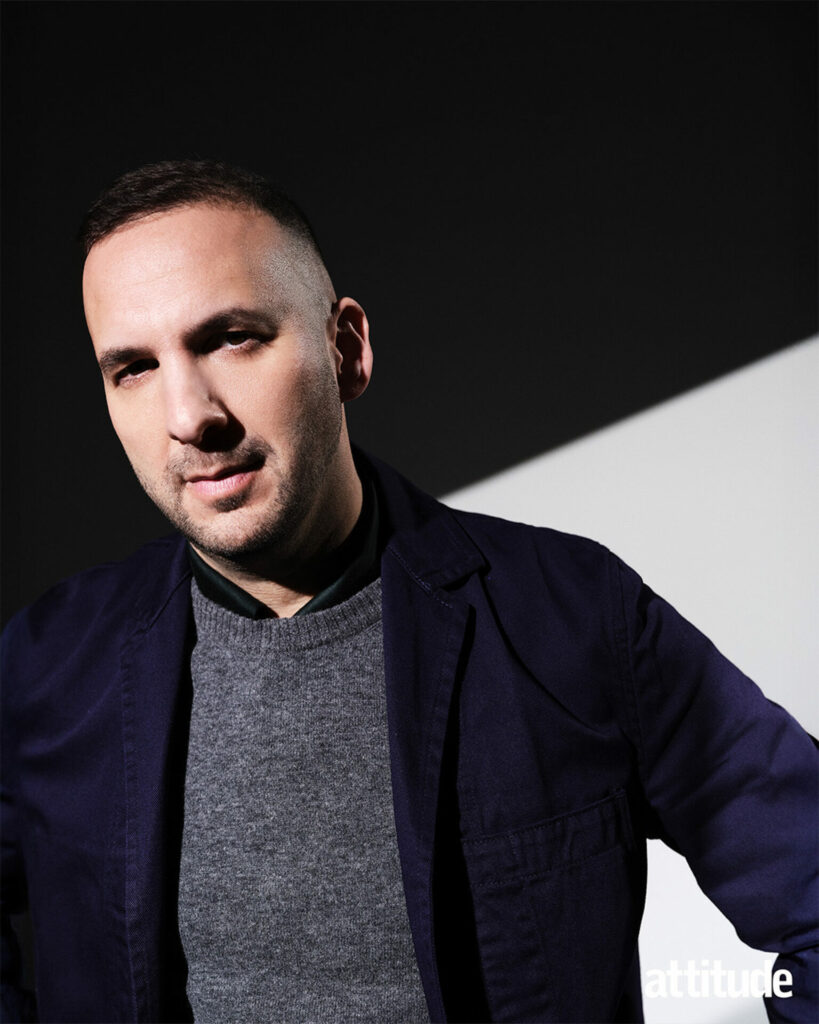
Jonathan Mitchell is the founder of Brothers We Stand, an online shopping platform curating stylish menswear made with great ethics. They do deep research into the supply chains of the brands they sell so you can have confidence that the clothes you buy have been made with respect for people and planet.
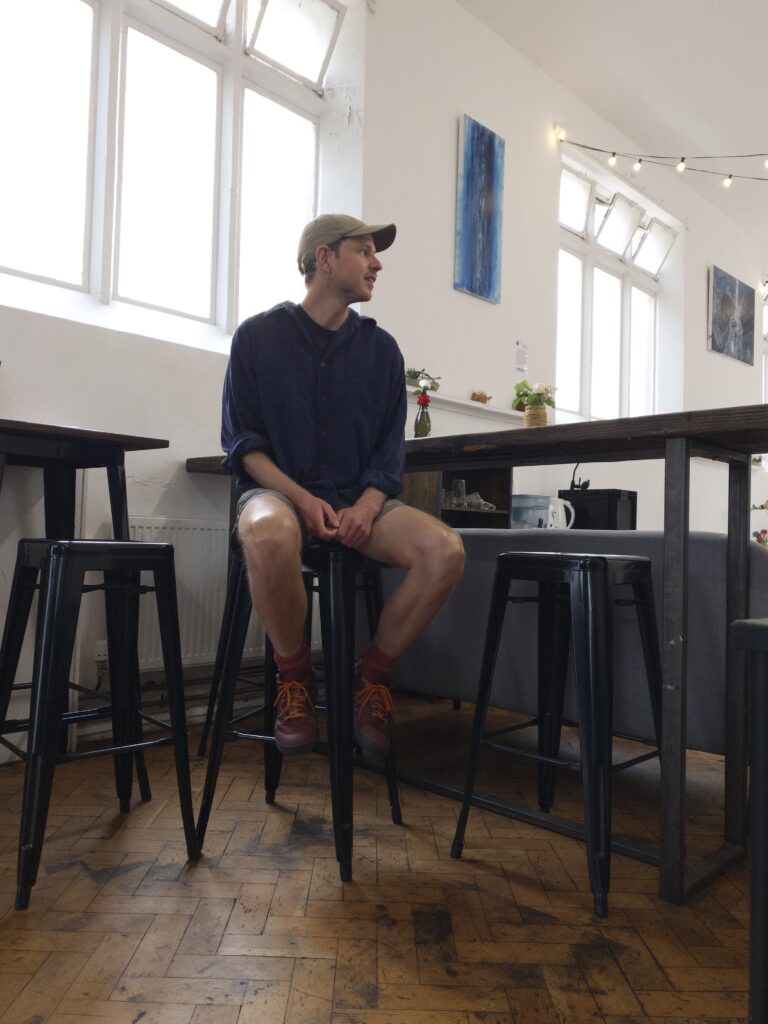
When did you launch Brothers We Stand and why?
I founded Brothers We Stand in 2013. The goal, which remains the case to this day, was to make it easy for men to buy nice clothes that have been ethically made. The name comes from the belief that the people who make our clothes are our brothers and sisters in humanity.
Tell us what Brothers We Stand does in your own words:
We bring some of the most ethical menswear brands together on one website for a curated shopping experience.
I believe in ‘authentic consumption’ which stands in contrast to ‘addictive consumption’. Essentially it’s the idea of shopping less and better. When you buy an item with a good ethical story it satisfies a deeper part of us that hungers for meaningful connection.
Over the years we’ve developed a really clear standard that helps us define what we mean by ‘ethical clothing’. We do this at product level, not at brand level. On every product page we share a summary of each item’s provenance. This includes the product’s impact on people and planet, the best things about the supply chain and also an ‘areas for development’ section. This takes a lot of research, but allows us to have confidence in the ethical claims we make. In terms of ethical standards, we’re right up there with the best of them!
What does a typical day look like for you?
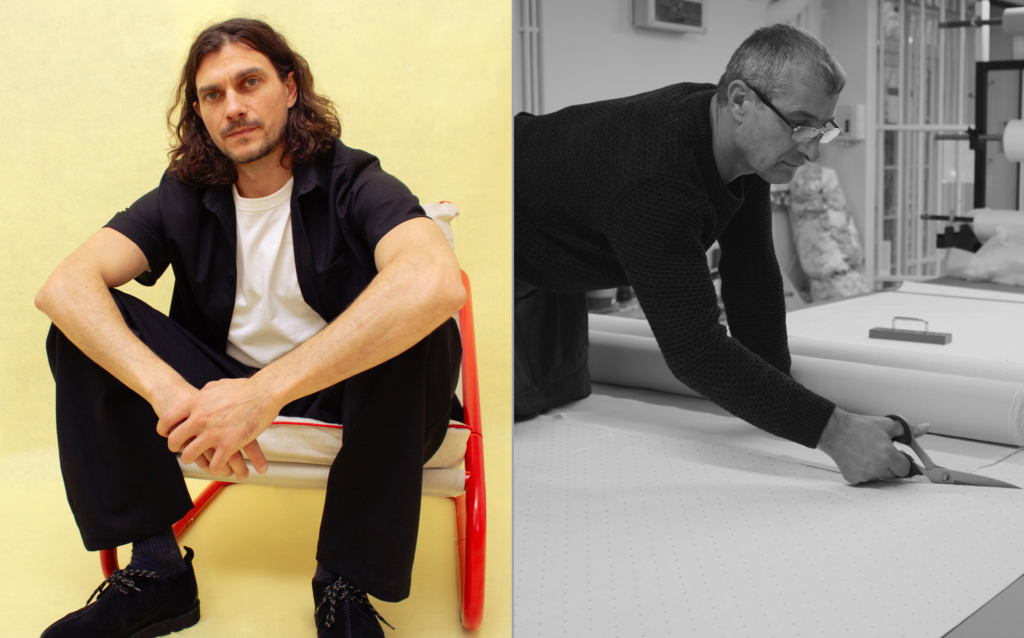
I think we punch way above our weight with the strength of our ethical concept, but we’re actually a tiny business. So, each day is a bit mad to be honest. I jump from customer service, to adding new products to the website, to writing our newsletter to doing the bookkeeping.
What were you doing before this?
I started Brothers We Stand in my early 20s, after studying International Development at university. As part of my dissertation I considered Armartya Sen’s concept of ‘development as freedom’. He argued the aim of development should be to increase a person’s opportunity to do the things they value, as opposed to increasing GDP.
The simplicity and common sense of the idea resonated with me. I continue to find it a helpful lens through which to look at ethical issues. I wanted to create a business which helped to create real value in the world.
Why did you decide to focus on fashion?
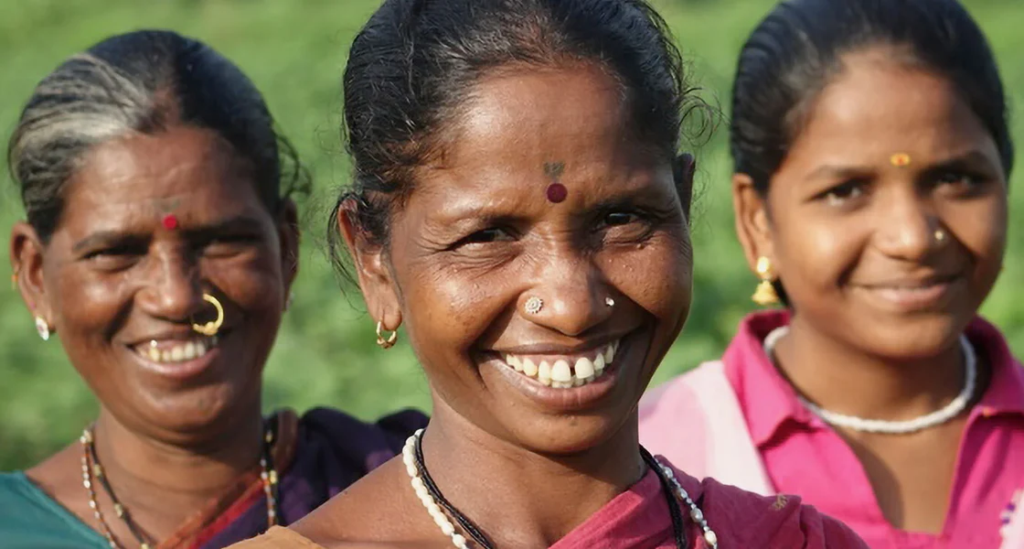
There are many people involved with making a single item of clothing, from the growers of the raw materials to the person who stitches the final seam. These people are often from groups in society who traditionally hold less power, especially women.
Added to this, fashion is a highly competitive market and so there is a constant pressure to cut costs or speed up processes. Without advocates, sadly it is often those with less power who are squeezed in these situations.
Over the last decade, much work has been done to raise awareness of the exploitation of people and planet in garment supply chains. This has resulted in tangible advances in labour rights and some positive steps to consider the environmental impact of the industry. But, the reality is that the life of many of the people who make the clothes we wear is still pretty tough. There is still much to be done.
How did you start your business?
It was very much my laptop in the kitchen type of thing. A small grant from (what was then called) The Princes Trust allowed me to launch the website. And some good friends who ran a branding agency called Sparks Studio were solid supporters for many years.
What’s something that surprised you on this journey?
If I’m really honest, I’d say understanding consumer psychology has been a bit of an eye-opener. People say they want to buy ethically but the reality is people are busy and face all sorts of competing, and sometimes conflicting, desires. For me, the wrestle is to be realistic but also not to give up on people’s capacity to respond to a beautiful story. Not every customer is going to read the details in our ethical story sections. That’s OK. But, the fact that we’ve done the work and have this information to share gives a rigour to our approach that I think is essential.
Have there been any ‘I can’t believe this is happening’ moments along the way?
Brothers We Stand has been featured in the shopping sections of pretty much all of the media big hitters in the UK. We recently helped to style Zach Polanski for a photoshoot which was good fun! The first time we were featured in The Guardian was also special. That’s a paper I’d grown up with, so my family getting so to see the name of a business I had created in the weekend magazine was a lovely affirmation of all the hard work.
What’s a challenge you’re currently figuring out?
AI. There are so many unknowns about AI there’s an element of let’s wait and see. So far, website visits and sales are holding up, and I hope that remains the case. I think people value receiving recommendations and curation from a human, especially when ethics are involved.
I have used AI to add efficiency to some areas of the business. But, I’m pretty resistant to using it for any type of content creation. I like writing and believe a lot of what makes content interesting is our distinctive voice.
What do sustainability and ethics mean to you personally and professionally?
I remember the definition of sustainability we learnt at university as ‘meeting the needs of the present without taking away future generations ability to meet their needs’. It just makes sense, doesn’t it? For me, ethics is about treating each other with the respect we would want to receive. It’s a simple idea that people have been talking about for ages.
What’s next for you and your venture?
Since the beginning, the aim has always been to curate a selection of really nicely designed menswear that comes with equally good ethical stories. We’ve been in business for 14 years, so we’ve obviously done some things well. But, the cost of living squeeze hits middle market businesses like us hard. I can’t look too far ahead. Right now, I’m hoping for strong Christmas sales.
What kind of support or collaboration are you currently seeking, if any?
We need businesses built on solid values to survive and even thrive. I’m always keen to hear from ethical menswear brands of any size with a strong design ethos who would like to sell on Brothers We Stand.
Or, if there are individuals out there who believe in our mission there is an opportunity for a modest investment to support us to grow…
It’s time for your final word. What message would you like to share with others building ethical or sustainable businesses — or thinking about it?
Be clear eyed about what is required to achieve the goals you have. Talk to people who understand the sectors you want to impact and listen to their wisdom, they will understand the mechanics of what is required for success. But, hold on to your vision for shaping a different reality. Bridging these two is not easy, but doing so may be key to achieving the changes we seek.
About the author