


Changemakers: Aishwarya Lahariya, co-founder and designer, Jiwya
Guest blog by JulieMay Lingerie.
Did you know, every garment begins with human hands? Before a piece of clothing reaches your wardrobe, it passes through dozens of skilled roles: farmers who grow the cotton, spinners who turn fibre into thread, dyers who colour the fabric, cutters who shape each pattern, and tailors who bring each garment to life stitch by stitch. Slow fashion honours that simple truth.
Why it’s called slow fashion
The phrase ‘slow fashion’ was first coined by Kate Fletcher, a professor at the Centre for Sustainable Fashion. In 2007, she wrote an article that challenged the fashion industry’s obsession with speed and disposability, drawing inspiration from the Slow Food Movement of the 1980s. Just as slow food rejected fast, industrialised meals in favour of local, seasonal, and mindful eating, Fletcher suggested fashion should follow a similar path.
She argued clothing should be something we build a relationship with, rather than merely consume, throw away and replace. Her work changed the conversation. It laid the groundwork for today’s important discussions around garment worker rights, supply chain transparency, repair culture, and conscious consumption.
It is a principle our brand, JulieMay Lingerie, stands by. The compromise, for both our customers and for our business, is that this often means smaller collections and slower restocks. That’s because we’re making sure that what reaches you is produced ethically and with care. And that’s something worth waiting for, wouldn’t you agree?
Quality over quantity matters in slow fashion
We can all be tempted by the idea of fast-fashion and ‘more for less’. It’s hard not to succumb to the latest trends when there are 49,600 options to choose from on the womenswear section of Shein’s UK website, starting from just 49p [1].
Cheap, fast fashion very cleverly lures us into continuously buying new items. We do this even though it is now common knowledge many garments are made with low-cost fibres and weak stitching that break down quickly. In fact, studies show that clothing from ultra-fast fashion retailers often loses shape or shows damage after just 7–10 wears, pushing consumers to replace them sooner and spend more in the long run.
But slow fashion reminds us that fewer, higher-quality pieces hold far more value than a bulging wardrobe of items that we don’t love. At JulieMay Lingerie, we intentionally create timeless pieces in natural, biodegradable materials like organic cotton and silk, which are gentle on the skin and designed to cherished for years.
The human side of ethical, slow fashion
For, it isn’t just the quality of the clothes that are impacted. Reports on Shein’s supplier factories found that many garment workers have experienced wage theft, worked in unsafe conditions, underpaid, and worked 18-hour days and 75+ hours per week. Plus, Shein’s suppliers often subcontract to unregulated workshops, making accountability nearly impossible.
We all know this is happening across the fashion industry. Around 80% of garment workers are women, mostly aged 18 to 35, often working 14-18-hour shifts without contracts, maternity rights, or union protection. Many have migrated from rural communities and send much of their wages home to support children or elderly parents. And wages remain shockingly low, trapping them in a cycle of poverty.
Fast fashion too often relies on supply chains built on exploitation. These have physical health impacts for workers, including reproductive health issues linked to toxic dyes and solvents and fainting and malnourishment due to excessive hours and skipped meals.
By contrast, we ensure the process is intentionally small-scale and traceable, not harmful for anyone in our supply chain. For example, our organic Pima cotton is grown without pesticides, which is healthier for the farmers. Our fabrics are dyed in small batches using certified, skin-safe dyes. Our seamstresses earn above a living wage as they cut, sew, and finish each garment by hand, often working on a single piece for hours rather than minutes.
Slow fashion is a way of honouring the makers of the garments we wear. It guarantees that the people behind our clothes are treated with the dignity they deserve.
JulieMay Lingerie’s best-sellers:
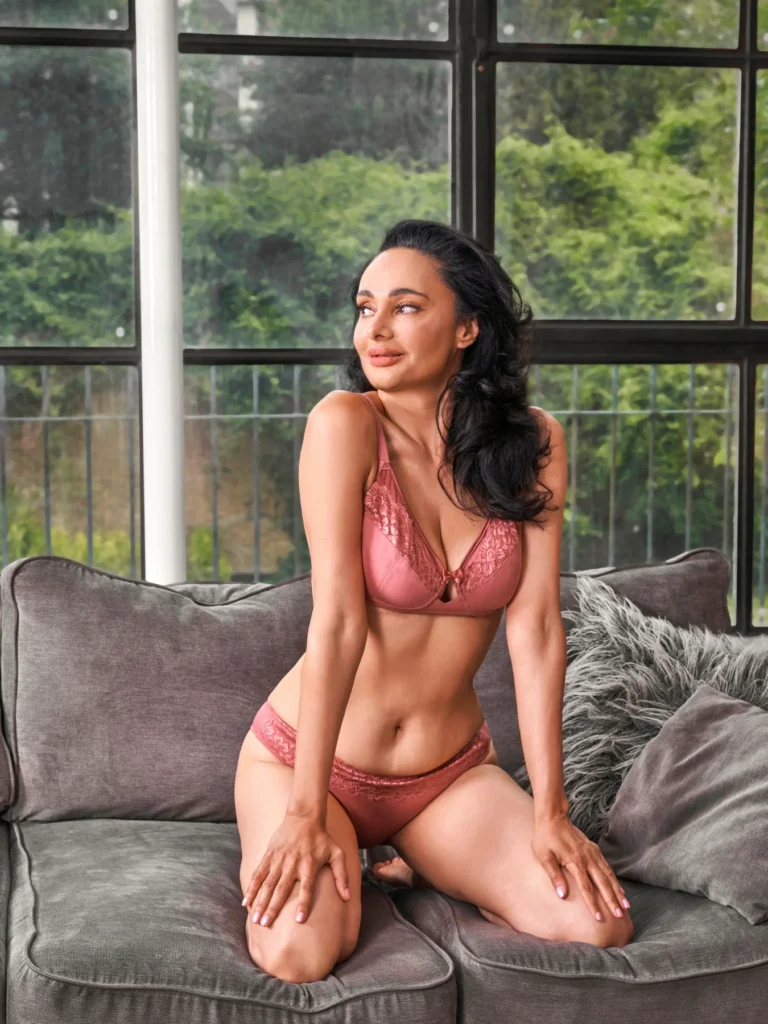
Rosie – Silk & Organic Cotton Lace Full Cup Wireless Bra
£75.00
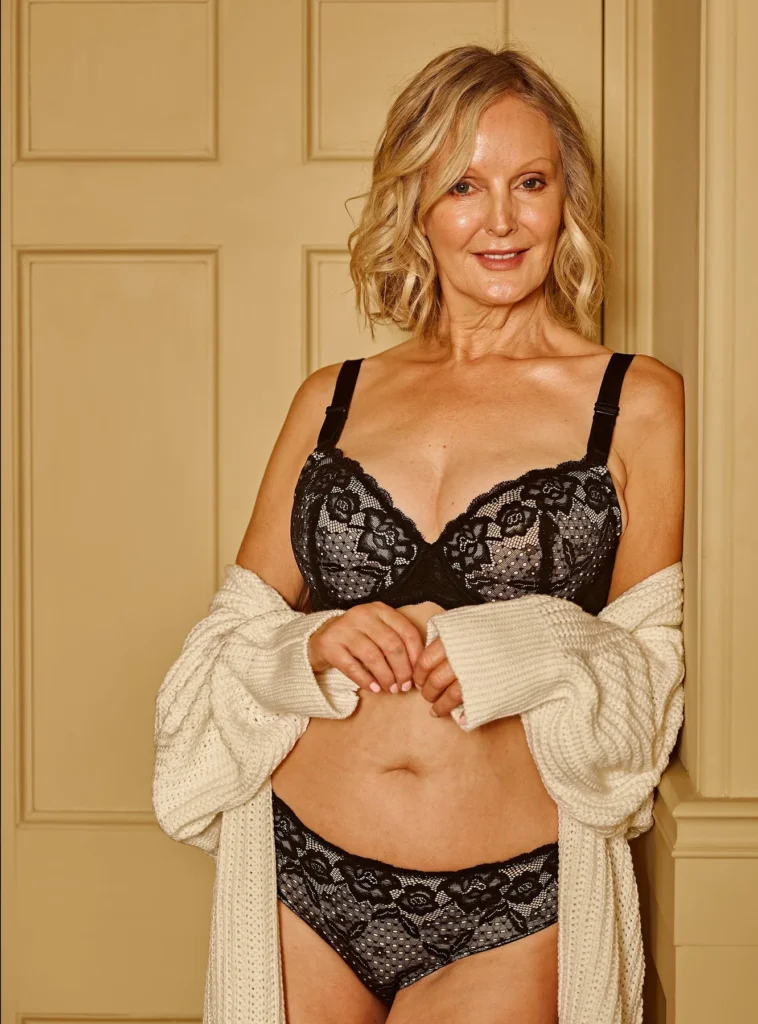
Debbie – Lace Organic Cotton & Silk Plunge Bra
£75.00
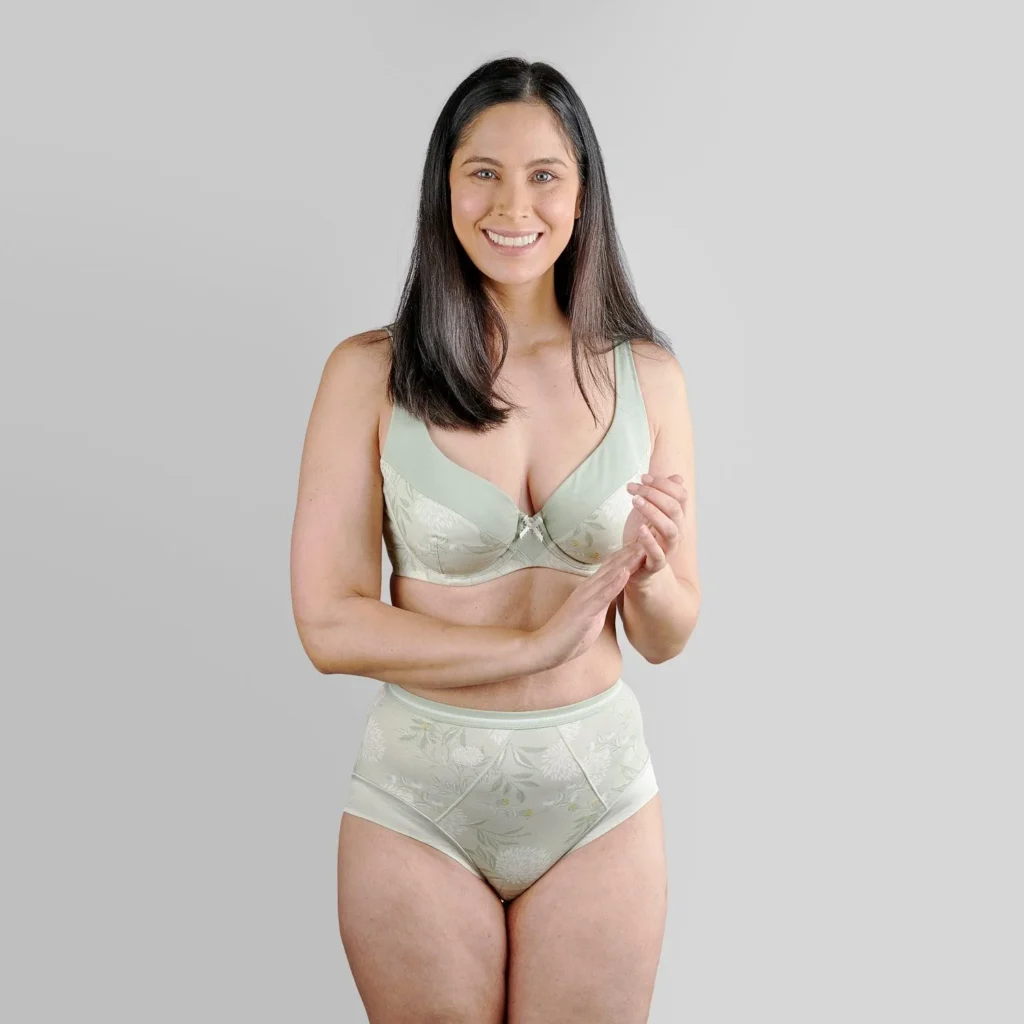
Valentina – Silk & Organic Cotton Underwired Full Cup Support Bra
£72.00
Break free from fast fashion habits
Slow fashion also challenges us to shift our mindset from instant gratification to intentional choices. It asks us to value timelessness over trends and to not see clothes as throwaways.
“I love being able to use this platform to remind us of the human stories that piece carries – the talented hands that grow the seeds, spin the material and, finally, sew the beautiful designs into life,” says marketing manager, Awena Owen.
“When a brand uses their platform for the benefit of the people, it completely changes what fashion is. It demonstrates what fashion could be, if we were all able to take that time to consider our choices and deconstruct what we have been taught by big media and our fast-paced lives.”
Changing habits isn’t always easy. But it’s worth it, because when we slow down our shopping we create space for more meaning and care. At JulieMay, this care and attention shows in the final product – every item is checked, rechecked, and released only when the maker is proud to put their name to it. And that’s something we’re proud to put our names to, too.
References
[1] As listed on Monday 26 January 2026
All links last accessed on Monday 26 January 2026.
About the author