

Organic bacon made without nitrates. Here’s what you need to know.
When the countryside is full of new grass and young lambs, the tradition of eating lamb at Easter seems to make perfect sense.
However, most lambs born in the UK arrive in early spring. Naturally, they should be spending their summer grazing on grass and coming to market in late summer and autumn.
“If we want a more resilient food system, we need to reconnect our diets with our seasons,” suggests Abby Allen from Pipers & Co. “Changing our expectations and celebrating seasonal British produce is one of the most powerful ways we can back our farming communities.”
To meet demand for lamb at Easter supermarkets import lamb from half way across the world or some farmers breed sheep too early and then fatten them up unnaturally quickly. It is possible to buy lamb at Easter, but quantities of ethically and sustainably reared lamb are limited.
“This is also why just buying British lamb is not enough,” insists James Vining from Beacon Farms. “The best lamb comes from careful breed selection, natural diets, and allowing the animal to grow slowly at its natural pace.”
While mass market demands that intensive farming practices produce lambs between 4-6 months old, Beacon Farms sells lamb matured naturally on Church Farm, in Devon, where they typically reach 10–18 months of age. Traditional British breeds grown in this way on pasture is not only more ethical from an animal welfare perspective and sustainable from an environmental one, it greats a better eating experience too – allowing the lamb to develop natural, deeper flavour and more satisfying texture. This is how all the lambs from the farms listed below are reared.
What to look out for when buying lamb
When buying the best quality lamb there are a couple of key questions to ask. The first, how was it farmed? Sheep are traditionally grazed on land that doesn’t have much other agricultural use – such as poor quality hillsides. They also fatten up nicely by simply foraging in fields. This means it makes economic sense to allow them to roam free. You’re looking for a lamb raised like this.
The second is, was it corn-fed and if so how much of its diet was corn? A rising number of farmers are turning to corn to fatten up their sheep in time for the Easter lamb market. It’s uncomfortable for any animal to grow unnaturally quickly. A high-protein diet also changes the texture and cooking quality – lamb shouldn’t be super lean.
British farms that deliver the best organic and free-range British lamb to your door:
If you truly want to eat lamb for Easter, then one of the best choices you can make is to choose lamb from one of the farms below – listed in no particular order. They’re all brilliant. They raise their animals using traditional, humane methods that prioritise both welfare and flavour. Slowly growing and free-range, each lamb is reared with care, resulting in richer, juicier meat that’s a cut above imported options.
All of these farms also deliver straight from the farm to your door, making it easy to bring a genuinely fresh and ethical lamb from the farm to your table.
By choosing one of these farms, you’re not just investing in taste; you’re supporting small-scale and sustainable British farming. What’s not to love?
Beacon Farms
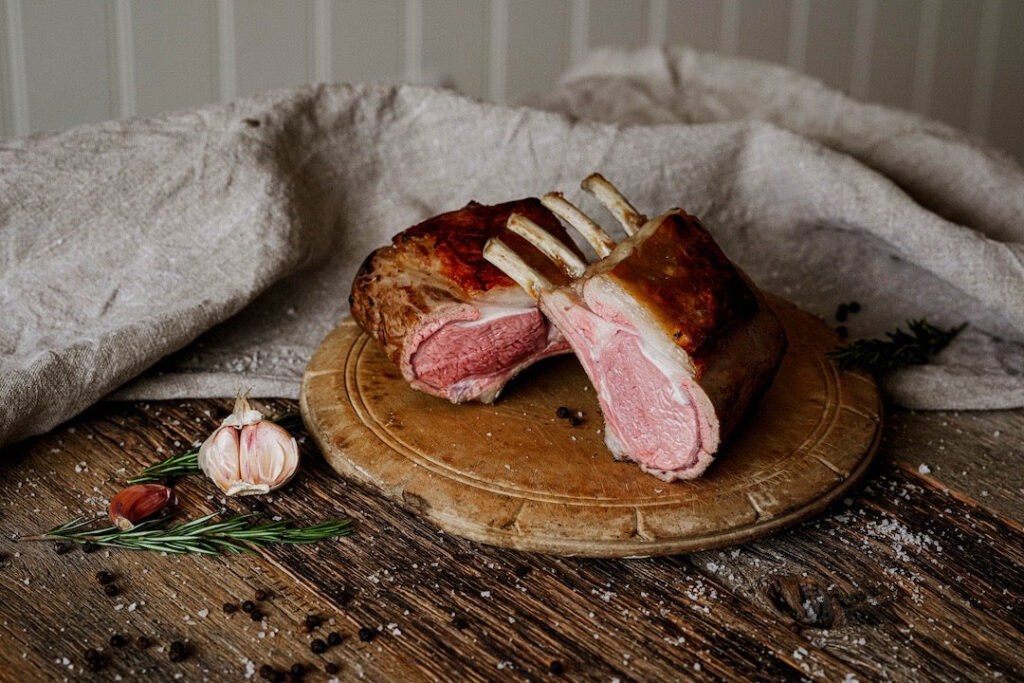
Why we rate Beacon Farms’ British lamb
Beacon Farms’ lambs spend their lives outdoors, grazing grasses, herbs, and cover crops, supporting healthy soils and local biodiversity as part of a regenerative farming system. The result is a rich, distinctive taste that was recently awarded ‘Gold’ at the Great British Food Awards.
Helen Browning’s Organic
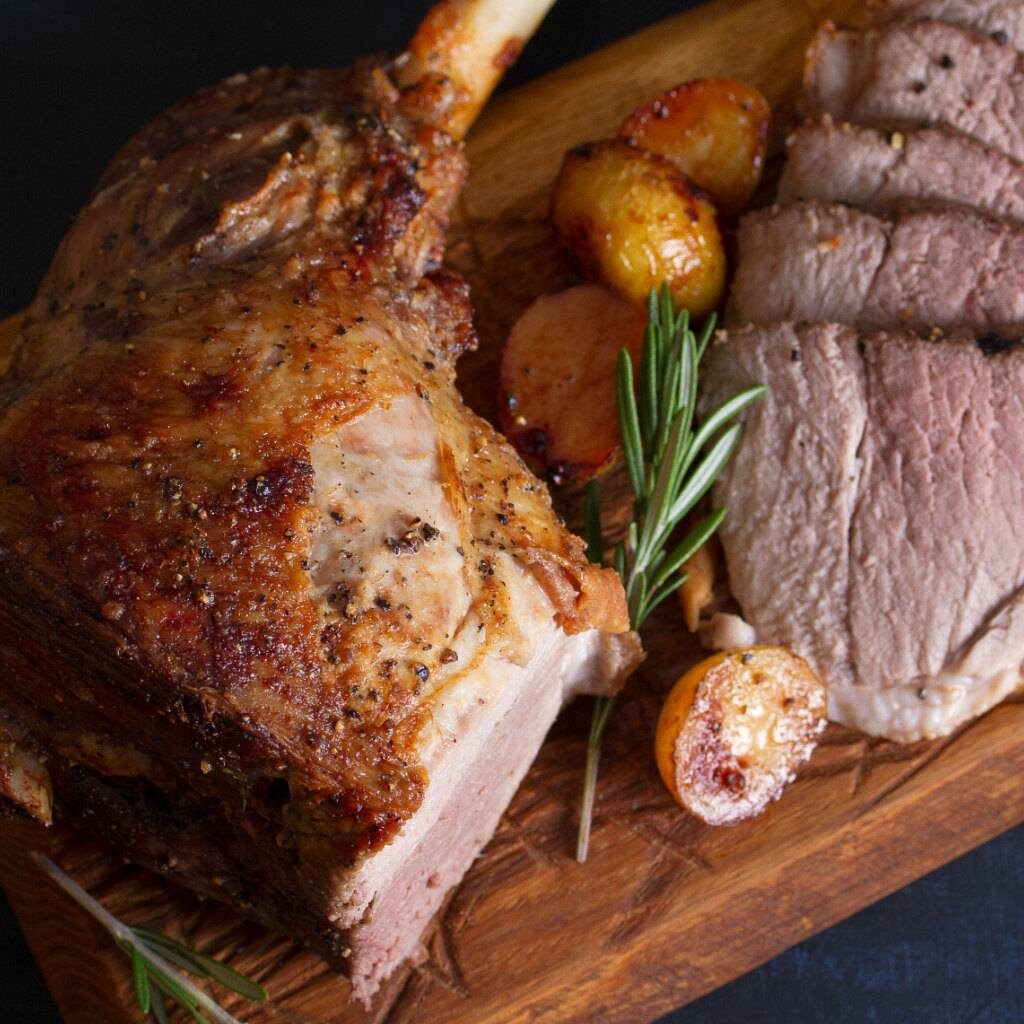
Why we rate Helen Browning’s Organic British lamb:
Helen Browning’s Organic are offering a limited quantity of lamb from their friends at Drovers Hill Farm. The sheep graze on the lush grass of their Oxfordshire pastures, run with the same organic passion as Helen Browning’s Organic. Careful management allows a wealth of biodiversity and maintains the farm’s healthy soil without the use of chemicals and artificial fertilisers.
eatTelfit
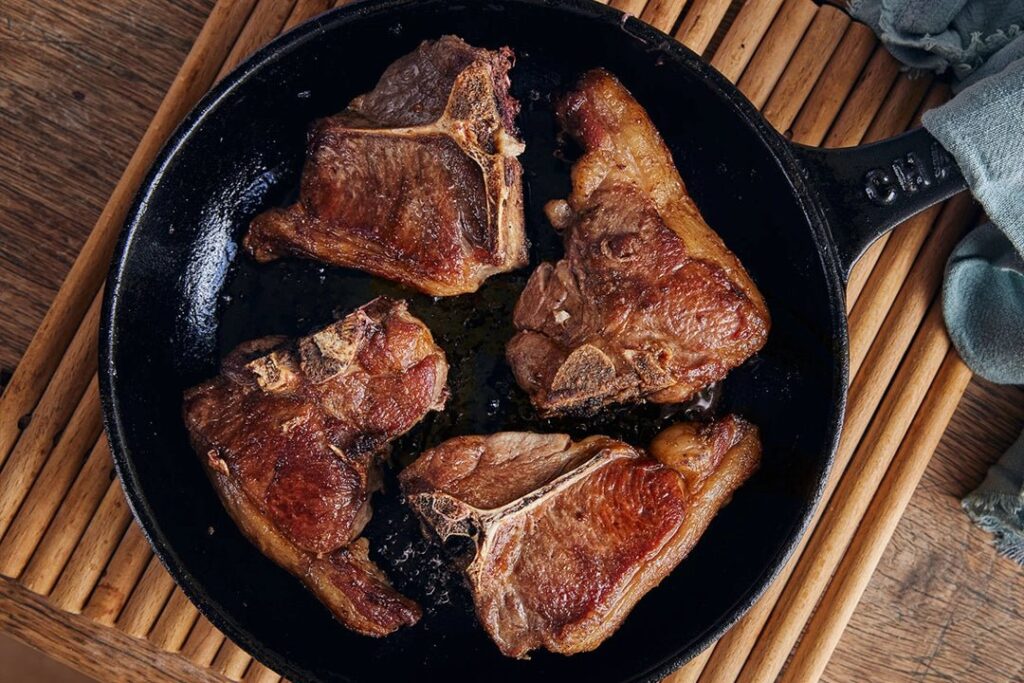
Why we rate eatTelfit’s British lamb
eatTelfit’s traditional breeds of lamb are slow-grown on regenerative farms in the Yorkshire Dales. The lambs graze on diverse pastures and forage naturally, contributing to their rich flavour profile. They are not fed hormones or antibiotics.
Piper’s & Co
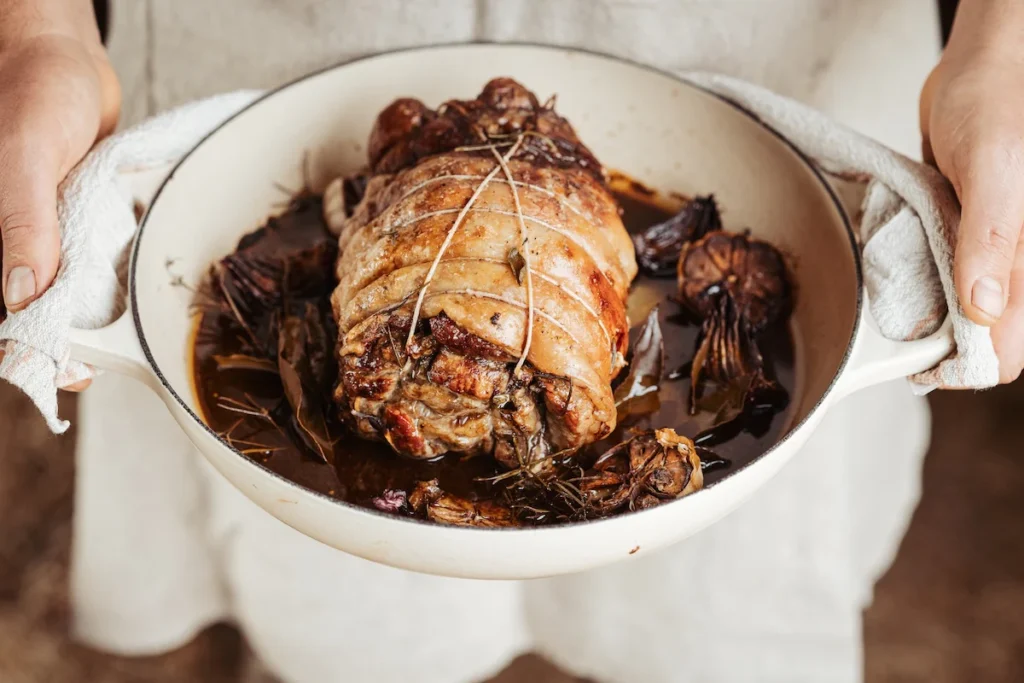
Why we rate Piper’s & Co British lamb
Pipers & Co work with trusted British family farms that rear native breeds on pasture and in harmony with nature. The lamb they sell is British, traceable and frozen at peak condition, so it’s a great option if that’s what your Easter calls for. However, this year they’re also making the case for other centrepiece’s raised in celebration of the land waking up.
Riverford
Why we rate Riverford’s organic British lamb
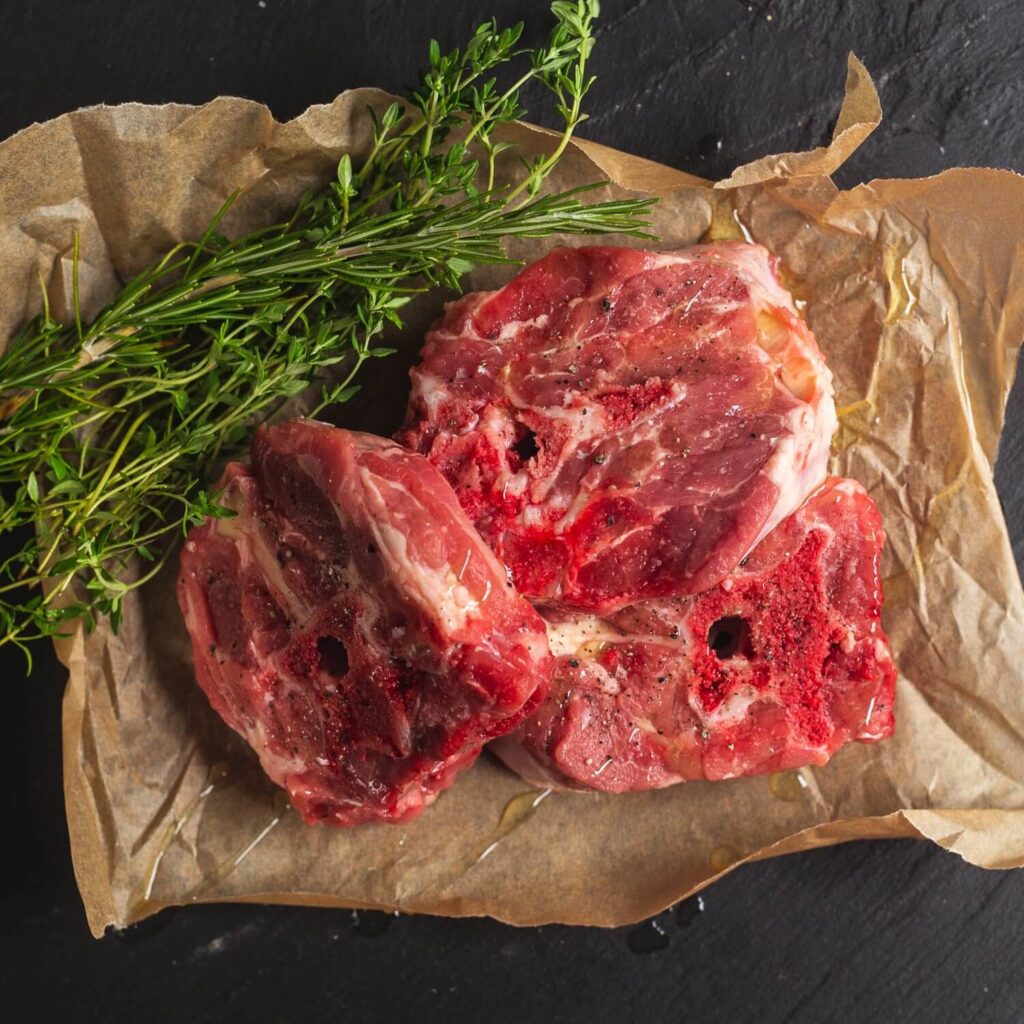
We rate many of the things Riverford do. So, do many others, as their limited lamb stocks are already selling out quickly. Riverford lamb is sourced from farms like Mount Folly Farm in Devon, where livestock is a key part of their organic vegetable growing enterprise (which they also sell to Riverford).
Field&Flower
Why we rate Field&Flower British lamb
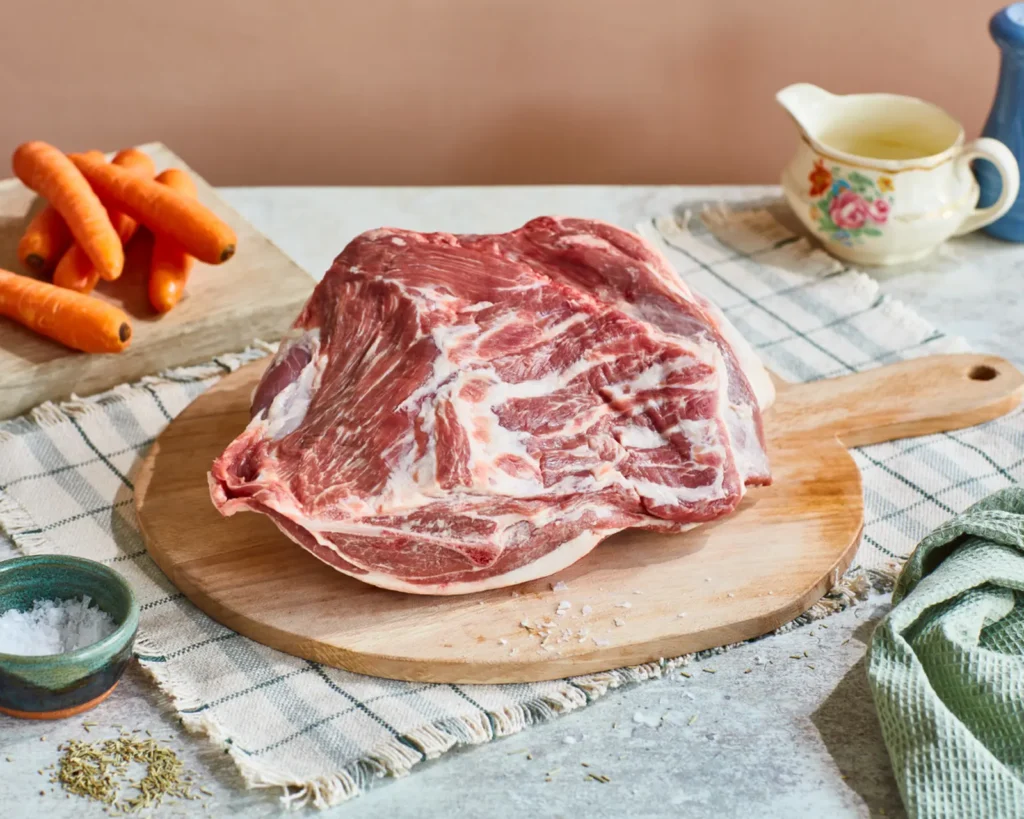
This Easter, Field&Flower are debuting the first home-bred Romney sired lambs from Tom and Clare Eames’ flock. This has been a sustainability project years in the making. Romneys are hill sheep, so build fantastic flavour through their meat and fat while grazing the Devon lowlands. They are dry-aged for seven days to enrich, soften and develop their flavour even more.
Fosse Meadows
Why we rate Fosse Meadows British Lamb
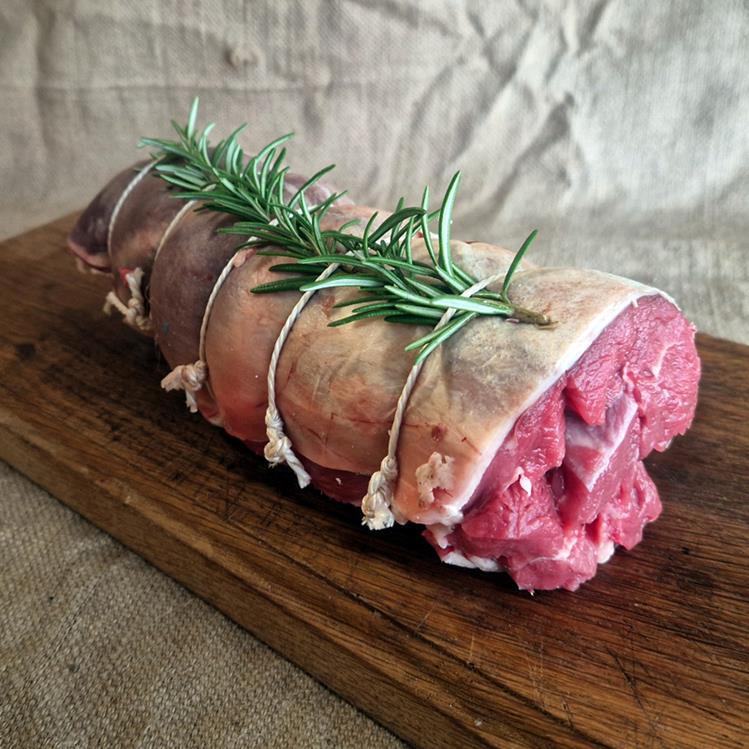
Fosse Meadows 100% grass-fed lamb is slowly grown to maturity on pesticide-free pastures for up to a year, giving the lamb a deep flavour with sweet succulence. Their butchers dry-age their lamb on the bone for up to 14 days to tenderise the meat for a succulent texture.
About the author